 Nishant Kumar Rishav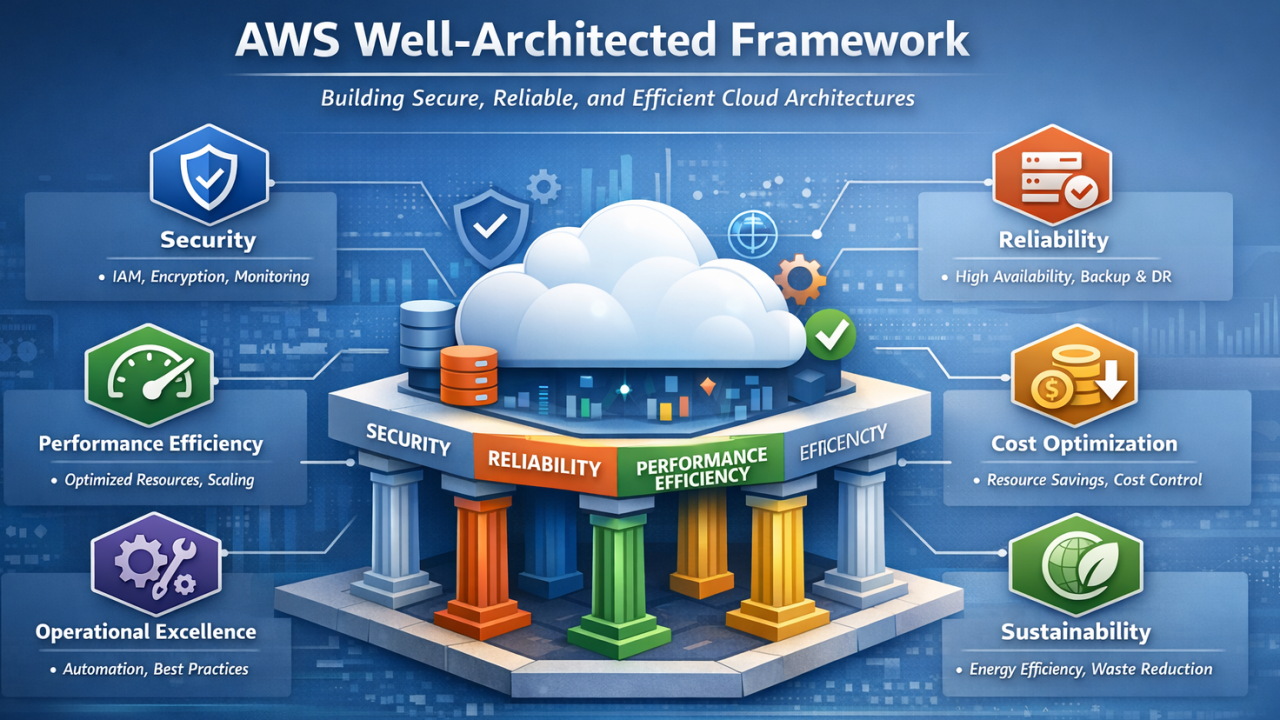
Over the last few months, I’ve had the opportunity to perform AWS Well-Architected Framework (WAR) reviews across multiple AWS accounts, I’ve seen firsthand how powerful this exercise is—not just technically, but from a business value perspective.
WAR is not about pointing out gaps. 👉 It’s about fixing architecture, reducing risk, and optimizing cost—aligned with AWS best practices.

🔧 Real Outcomes from WAR Reviews
During recent WAR engagements, we worked with customers to re-architect workloads based on findings across the 6 pillars:
🛡️ Security Improvements
- Tightened IAM policies (least privilege access)
- Enabled centralized logging and monitoring
- Improved network isolation using Security Groups and NACLs
✅ Result: Stronger security posture and reduced operational risk
⚙️ Reliability & Performance Fixes
- Moved workloads to Multi-AZ architecture
- Improved backup and DR strategy
- Right-sized compute and storage resources
✅ Result: More resilient and scalable applications
💰 Cost Optimization (Direct Business Value)
- Identified idle and underutilized resources
- Optimized EC2, EBS, and data transfer usage
- Applied right-sizing and scheduling best practices
📉 Outcome: ~10% cost reduction on ARR from the current AWS bill
🎯 Why WAR Matters for Business Leaders
- Architecture aligned with AWS best practices
- Lower cloud spend without performance compromise
- Improved security and compliance readiness
- Clear, prioritized action plan (not just recommendations)
💡 WAR helps customers build cloud environments that are secure, reliable, scalable—and cost-efficient.
If you’re running production workloads on AWS and haven’t done a Well-Architected Review yet, you’re likely leaving both risk and savings on the table.